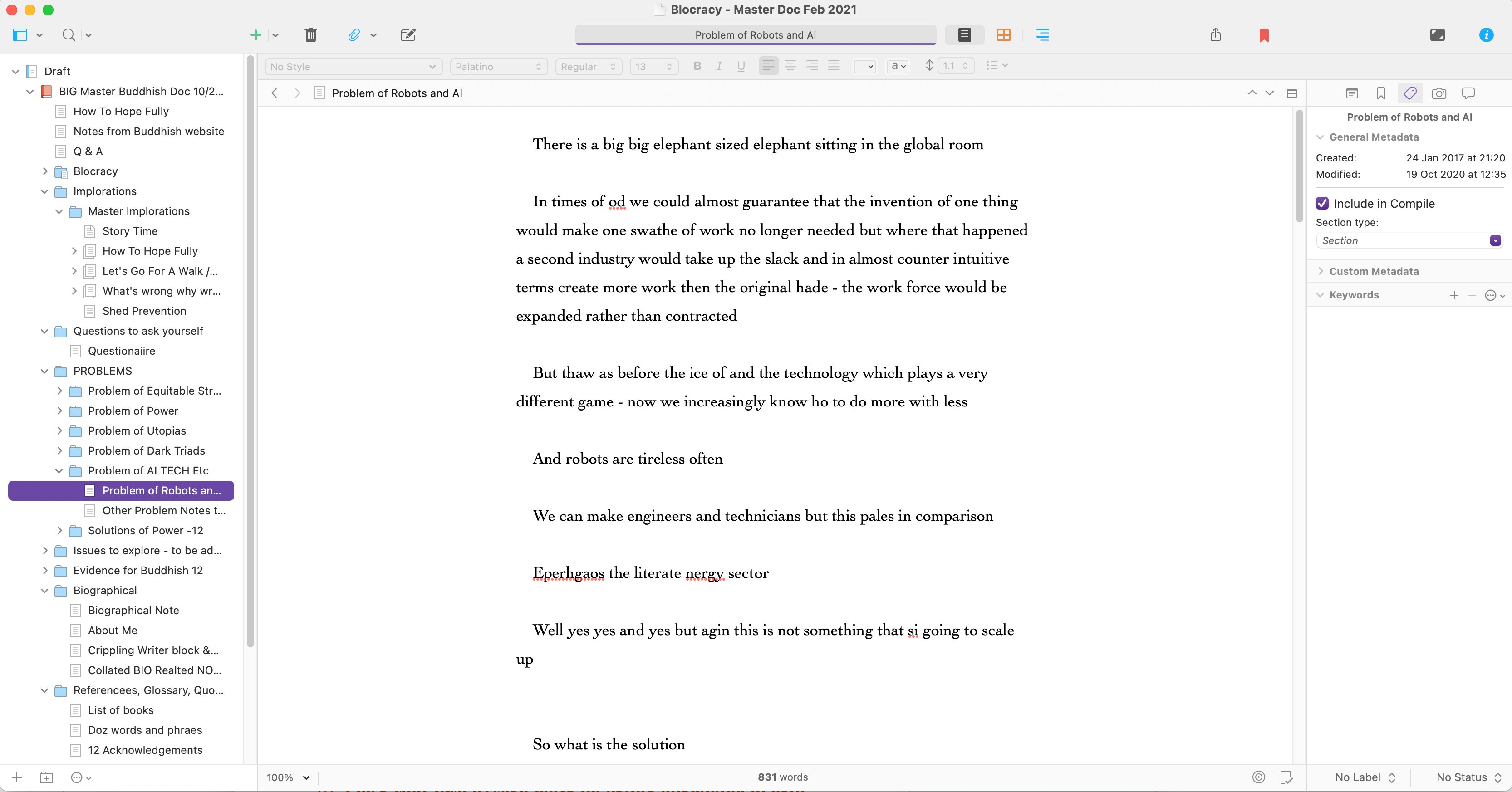
There’s a big, undeniable, elephant-sized elephant sitting squarely in the global room. For centuries, we’ve relied on a comforting pattern: the invention of new technologies would inevitably displace one type of work, but a second industry would emerge to take its place. Paradoxically, this process often created more jobs than were lost, expanding the workforce rather than contracting it.
Yet today, something has fundamentally shifted. The new wave of technological advancements is playing by different rules. We increasingly know how to do more with less. Robots don’t tire, and algorithms don’t clock off at five. This unprecedented efficiency is reshaping the landscape of work, and the ripple effects could hollow out industries that once formed the backbone of human employment.
We can train engineers and technicians, yes, but this pales in comparison to the sheer scale of disruption. Even in sectors like renewable energy or healthcare — areas where human involvement might remain critical — automation’s encroachment feels inevitable. And while these industries might grow, they simply aren’t going to scale up fast enough to absorb the displaced millions.
The Future of Humanity Is Humans
So, what’s the solution? It might seem counterintuitive, but the answer lies in doubling down on the very thing humans excel at: interacting with one another. At its heart, the future of humanity must be about humans helping humans.
There is no work more noble, no endeavour more fulfilling, than the act of directly aiding another person. Ask anyone who volunteers — it’s a calling steeped in mindfulness, compassion, and meaning. These are qualities that no machine, however sophisticated, can replicate. The essence of humanity is in the simple yet profound act of asking: Can I help you?
In the words of Jean-Paul Sartre: Freedom is participation in power. As we face the challenges of automation and unemployment, we must embrace this ethos. True freedom doesn’t lie in individual wealth or status but in collective engagement.
Addressing the Great Hollowing Out
The “Great Hollowing Out” of employment is not just an economic crisis; it’s a crisis of identity. If millions find themselves without meaningful work, it won’t be enough to simply ensure they don’t starve through mechanisms like Universal Basic Income (UBI). While UBI could prevent destitution, it doesn’t solve the more profound question: What will people do with their time? How will they find purpose, dignity, and worth in a world where their labour is no longer required?
This is where we must reimagine the role of work and citizenship. A universal stipend could provide the foundation, but it should be designed to encourage participation, not passivity. People are not cattle to be managed, nor are they inherently lazy or stupid. For too long, those in power have thrived on the narrative that the masses are incapable of self-governance, justifying their own authority as a paternal necessity.
But what if that narrative is false? What if, given the right tools and opportunities, people are more than capable of participating meaningfully in shaping their communities and their futures?
Bridging the Digital Chasm
This is not just about economics; it’s about equity. The advent of these transformative technologies threatens to widen the gap between the “haves” and “have-nots.” The digital divide could grow into an unbridgeable chasm, exacerbating inequality and fuelling discontent.
To counter this, we must design systems that prioritise human connection and collaboration. Imagine a society where helping others becomes not just a moral virtue but a cornerstone of the economy. Instead of asking how machines can replace human effort, we should ask how they can enhance human interaction.
The Wisdom of Empathy
Ultimately, this vision hinges on empathy. It’s easy to hate or distrust people in the abstract, but those feelings often dissipate when we meet individuals face-to-face. When we connect with someone from a different “tribe,” we usually find that they aren’t the caricature we imagined — and neither are we to them.
This is the essence of humanity: the capacity to see one another as individuals rather than abstractions. It’s how we’ve built societies, overcome conflicts, and thrived as a species. In the face of the Great Hollowing Out, we must lean into this strength.
A New Purpose
The technologies reshaping our world don’t have to define our future. If we embrace our humanity — our empathy, our creativity, and our capacity for connection — we can navigate this transformation not as victims but as architects. The future of work may not lie in traditional industries, but in something far more enduring: the age-old practice of humans helping humans.
Freedom, after all, is participation in power. And there is no greater power than the power of connection.